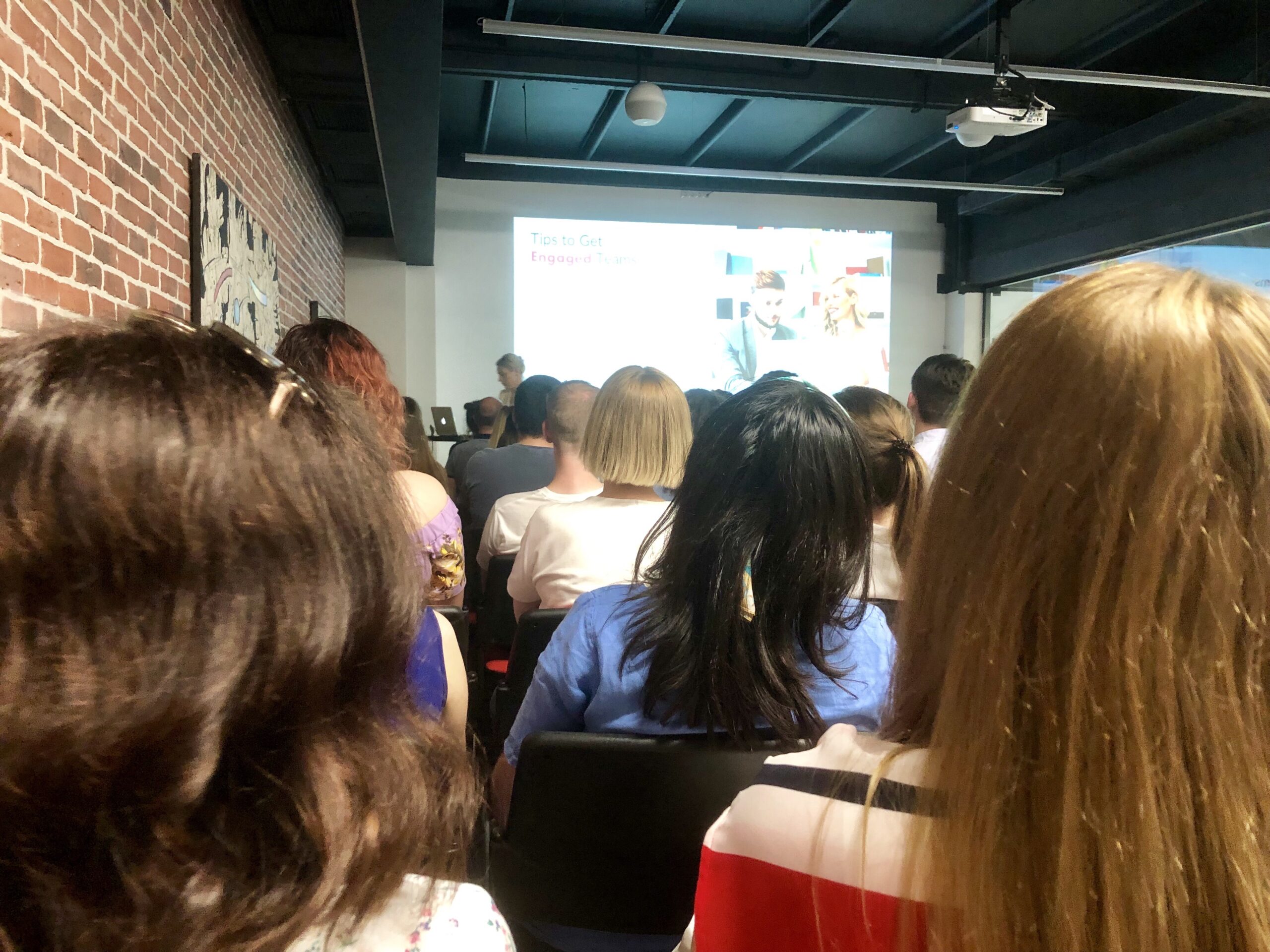
Stroke remains one of the leading causes of long-term disability worldwide, yet awareness about recovery options is still limited in many regions. To address this gap, Myonerv recently organized a Stroke Awareness and Rehabilitation Education Event aimed at patients, caregivers, and healthcare professionals.
The event focused on educating attendees about the importance of early intervention, continuous therapy, and the role of neuroplasticity in recovery. Medical experts explained how the brain can rewire itself after injury, and how consistent rehabilitation can significantly improve patient outcomes.
A major highlight of the event was the introduction of wearable neurotechnology as a supportive tool in stroke rehabilitation. Myonerv demonstrated how its device can assist patients with upper limb paralysis by enhancing muscle activation and supporting repetitive movement training.
Caregivers attending the event showed strong interest in learning how home-based rehabilitation can complement traditional therapy. Many families struggle with the long-term care of stroke patients, especially when regular hospital visits are difficult. The concept of at-home neuro-rehabilitation was seen as a major breakthrough in improving patient independence.
The awareness event also included real-life recovery discussions, where rehabilitation specialists shared success stories of patients who regained partial movement through consistent therapy and modern rehabilitation tools.
Another key focus was mental health. Stroke recovery is not only a physical challenge but also an emotional one. Patients often face frustration, anxiety, and loss of confidence. The event emphasized the importance of emotional support, motivation, and patient engagement throughout the recovery journey.
In conclusion, the Myonerv Awareness Event played a crucial role in spreading knowledge about modern stroke rehabilitation methods. By educating communities and healthcare providers, Myonerv aims to bridge the gap between traditional therapy and advanced neurotechnology, ultimately improving the lives of stroke survivors worldwide.