When Myonerv co-founder Sam Kamali’s cousin suffered a haemorrhagic stroke, they were both 11 years old.
The more Sam witnessed of his cousin’s recovery, the more he recognised a gap.
Recovery protocols focused on what had been lost to the stroke, rather than on his cousin – a human being trying to live his life.
Rehab devices felt like they’d been designed for a lab – brilliant concepts, but forgetting the realities of stroke survivors who’ve just lost full use of their arm. With their long-winded setups and effortful routines, few caught his cousin’s interest and many were thrown straight in the drawer.
Without repetition, recovery stalled.
Sam came up with his own routines to make rehab less of a chore. And he began to understand that what his cousin needed was the right set of tools.
So he became a neuroscientist, and Myonerv became the answer.
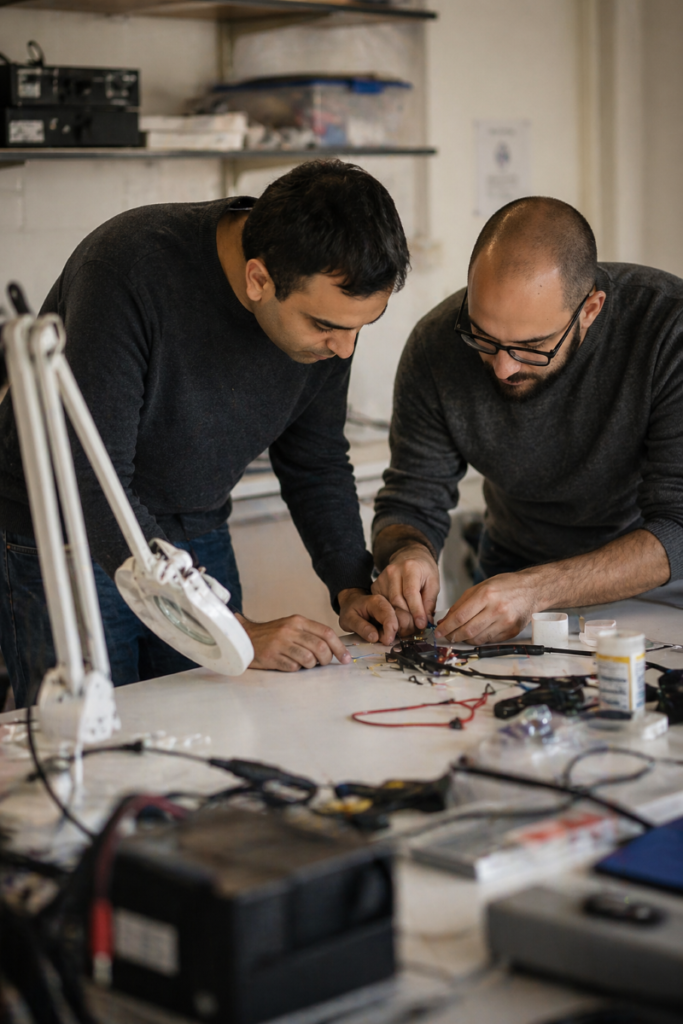
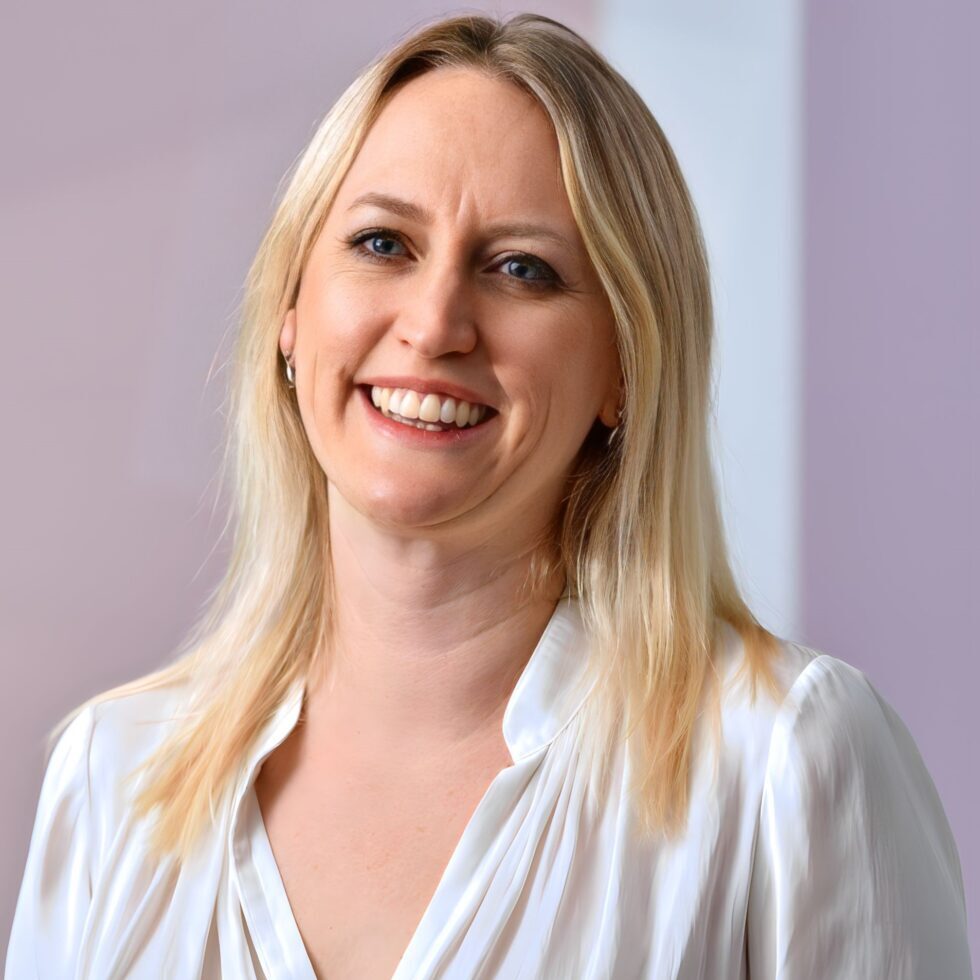
When neuroscientist Sam met George Gryparis at Imperial College London, he found his engineering partner. Together they launched Myonerv – committed to developing an upper limb rehab device built around the everyday challenges and dreams of stroke and brain injury survivors.
Here are four ways that commitment has shaped Myonerv’s neurostimulation system:
Myonerv takes users beyond monotonous passive exercises by actively supporting the movement they’re already trying to make. It listens for the intention, amplifies the signal and trains their brain to carry out that task.
With remote pairing of two devices, clinicians can actively guide sessions from afar. And, if your patient’s arm tires or can’t generate an electrical signal, you can do it for them – mirroring your movement into their affected arm.
The day a finger moves a fraction, it’s on the chart. So Myonerv users can see their recovery in the app, even if they can’t always feel it. Visible progress restores hope, feeding the consistency needed for getting arm movement back.
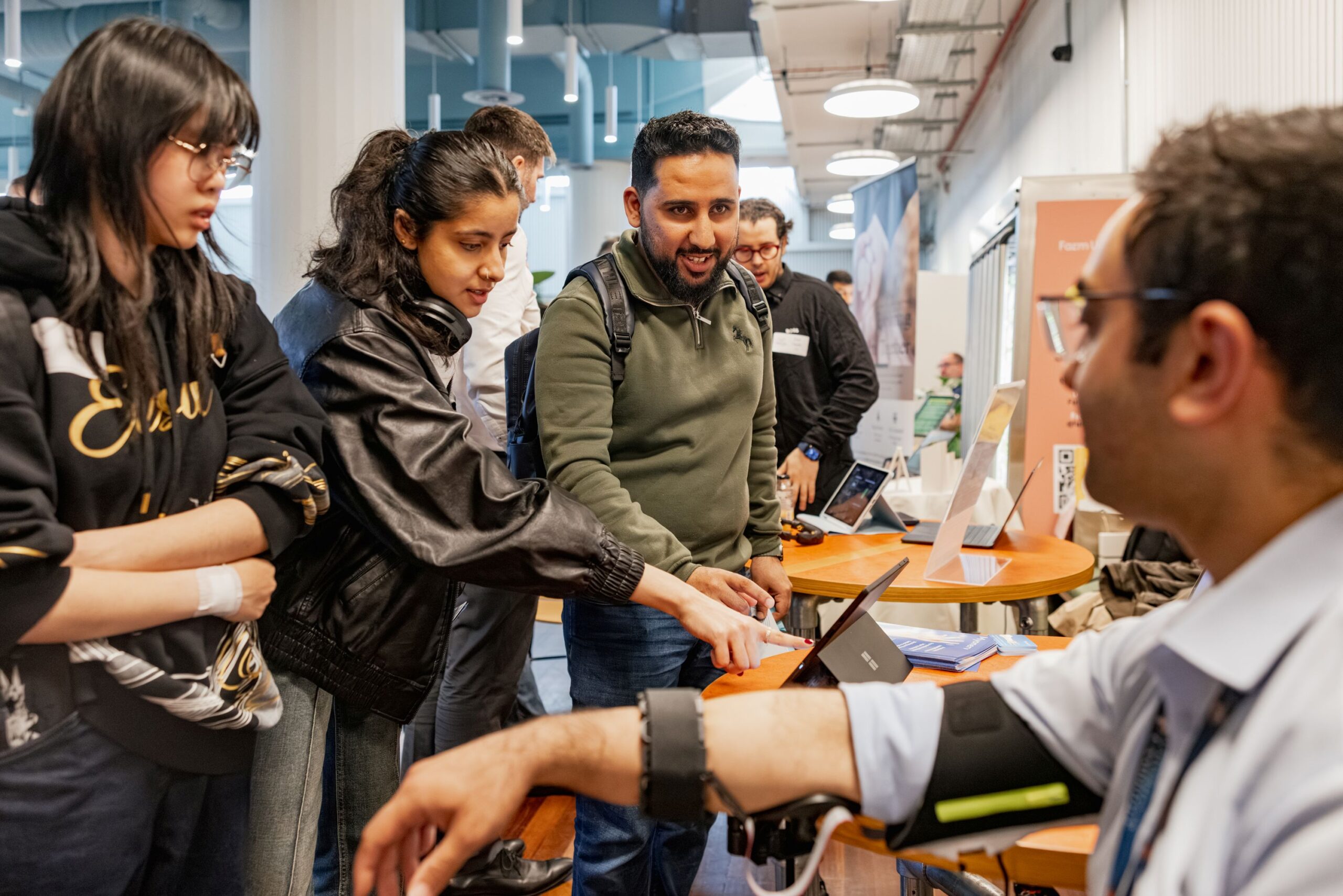
Myonerv was built for one-handed application, so users can put it on in seconds without help. No fiddly adhesive pads. No complicated setup. Just a neat band with built-in electrodes and an app for monitoring and scheduling sessions.
Inside the Myonerv Band is a precision-engineered system that helps reconnect brain and arm movement during recovery.
It detects subtle muscle signals and turns them into real-time feedback to guide rehabilitation exercises more effectively.
Unlike traditional tools, Myonerv is built to work with the user’s natural movement patterns, supporting faster and more meaningful recovery.
When neuroscientist Sam met Electrical Engineer George, at Imperial College London, they became a team. Together they launched Myonerv – committed to developing an upper limb rehab device built around the everyday challenges and dreams of stroke and brain injury survivors.
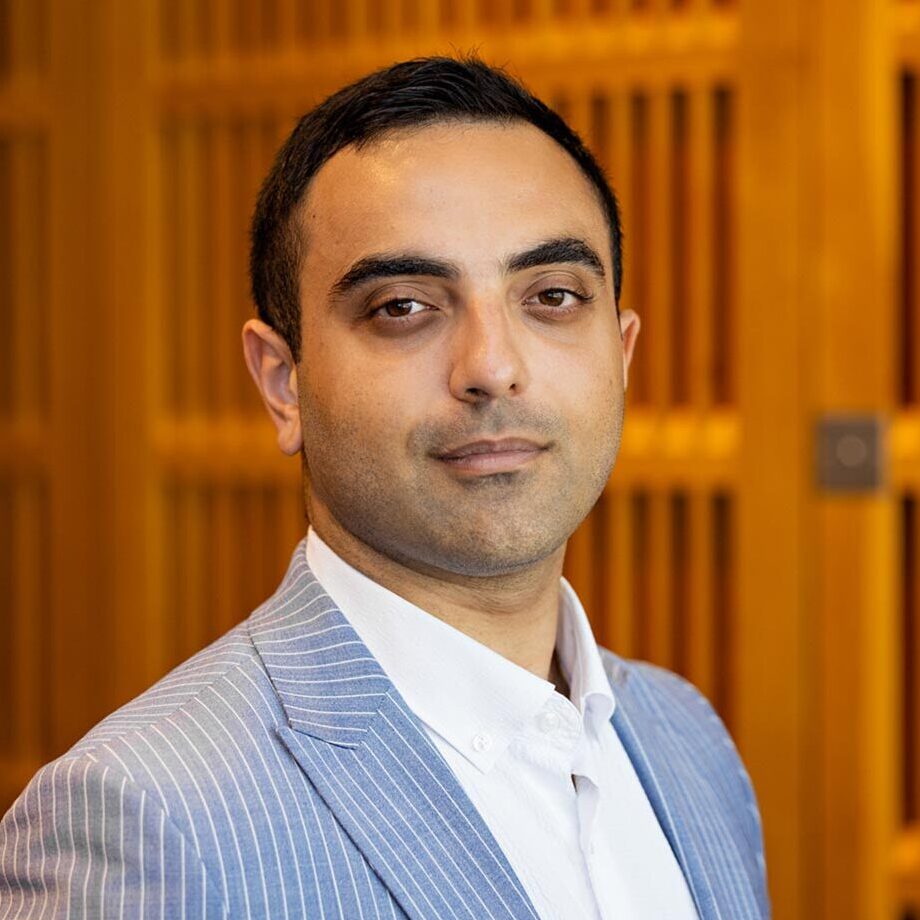
Sam is the neuroscientist who keeps asking Myonerv’s central question – “what about the person using this?” And innovating ways to turn rehab into real-life movement – so recovery extends beyond the clinic.
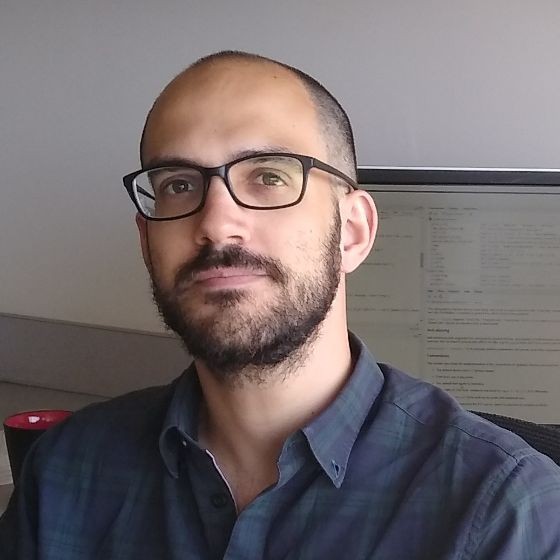
George is the engineer who turns Sam’s ideas into a neurostimulator small enough to fit on a real arm and a digital platform that makes progress visible. Without him, Myonerv would stay on the whiteboard.
At Myonerv, we’re connecting with clinicians and people affected by stroke or brain injury who want to help shape the technology to give people their arms and their freedom back.
Join our update list to hear about Myonerv’s clinical developments, upcoming trials and ways to get involved.